My Books:
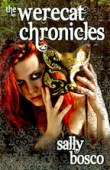
The Werecat Chronicles
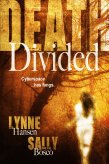
Death Divided
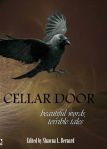
Cellar Door: Words of Beauty, Tales of Terror

Monstrous Feminine: Dark Tales of Dangerous Woman

Hazard Yet Forward
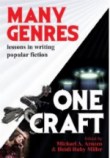
Many Genres: One Craft
Small Bites
Author of Dark Fiction
This is a list of my writing workshops. They can each be taught in a length of 1 to 4 hours. Longer classes will contain more material and include writing participation on the part of the students. They can be adjusted for age and skill levels. Workshops can also be delivered via skype. If you are interested, please email me at sallybosco@mac.com.
To write stories that have emotional depth, writers must know their characters intimately—not only who they are in the present story, but what made them that way. Giving characters an emotional trauma from the past allows you to create a plot that is far worse for them than it would be for the average person. This workshop explores how to intertwine your character’s emotional wound with your story’s plot to create fiction that powerfully affects readers.
Powerpint:
Handouts:
Brainstorming the Emotional Wound
Integrating the emotional wound into your plot
“Micro-tension is the moment-by-moment tension that keeps the reader in a constant state of suspense over what will happen, not in the story but in the next few seconds.” The Fire in Fiction by Donald Maass
Do you want to grab the reader on the first page and not let them go until the last word of your story? Adding microtension is the answer to that. It isn’t enough to create tension through plot and unexpected twists. In order to engage a reader, tension must reside in each line of a story.
Powerpoint:
There is one situation, in which everyone loves to be caught off guard—when a story takes an unexpected turn.This class will cover how to hone in on a conflict, align your characters with your conflict, and use suspense, pacing and subplots to create a credible twist ending. This workshop will include writing exercises to help you with your work in progress.
Suspense Powerpoint:
Handouts:
This workshop discusses how to craft a title that will make your novel stand out in a slush pile and catch a reader’s or editor’s interest.
Powerpoint:
Do you have novels that are sitting around on your hard drive taking up space? You’d love to rework them, but you don’t know quite what to do? Take heart. You’re not alone. This workshop focuses on how to take an existing “shelf” novel, analyze it, and bring it into publishable quality.
Powerpoint:
While structure is craft, architecture is art. Just as a building can be a plain box, a structurally sound story can still lack the elements that can elevate it to art. That’s what story architecture does—gives us the tools to craft a great story. In this class we will discuss the Six Core Competencies that are the tools for creating solid fiction.
Story Architecture Powerpoint
Story Architecture Slides Adobe Acrobat
Promoting your book is now a whole new game that’s more about building relationships and making your book discoverable than it is about the hard sell. This workshop will cover how to find the most likely readers for your book and target those readers. It will cover how to write an effective press release, create a marketing plan, find and use trending topics to promote your book, and how to request reviews from book bloggers and reviewers. All activities are no or low-cost.
Sally Bosco Book Launch MS Word
Book Launch Powerpoint
Book review query letter MS Word
Sell sheet-Cevin MS Word
Press kit Cevin’s Deadly Sin MS Word
During a nearly fifty-year career in which he continued producing art, theater, and music, David Bowie always changed it up and always stayed relevant. Here are some of the techniques he used throughout his career to remain a creative force and trend-setter that will impact the world for generations to come.
Bowie Powerpoint
What do we remember most about novels? The beginning and the ending, of course. This workshop reviews types of beginnings and endings, how they’ve been used to great effect in classic as well as contemporary literature, and how you can employ these techniques in your own writing.
This workshop will review the book Cracking the Code of the Twentieth Century Novel by James W. Hall. It tells about the surprising similarities that all blockbuster novels have in common. This workshop will go beyond that to discuss the similarities in best selling young adult, romance, mystery and suspense fiction.
Inspired by some of the pulp fiction masters, this workshop presents an organized method for writing a novel in three days. It covers: coming up with a suitable story idea creating a workable outline, creating a “building block” system for your chapters, making the physical preparations, getting psyched, building creative pressure, making the emotional preparation, silencing your inner critic, then gaining the momentum to finish the project. I include the experiences I had with my own crazy-three-day-writing-experiments.
This workshop is aimed at high school-aged students. I talk about my writing background and instruct students in concrete steps they can take to get their stories published with special emphasis on markets that publish teen writing. I use a media presentation with handouts for the students.
How to Write Flash Fiction
This workshop explores how to capture lightening in a bottle. It includes: definition, basic elements, three unique qualities of flash fiction, four basic kinds of short stories, and an exploration of micro-fiction. A guided exercise will allow participants to generate an original flash fiction piece during the workshop.
Editing has many more facets than line editing. By going from the big picture and working down to the details will result in a thoroughly edited and more publishable novel. “Only a mediocre writer is always at his best.” – W. Somerset Maugham
M. Night Shyamalan and Alfred Hitchcock are the masters of it. Twilight Zone used it weekly to develop a cult following. A twist in the tale story is like an optical illusion. Readers are lead to perceive events based on assumptions that turn out to be wrong by the story’s end. An expectation is set up that the reality of the world is a certain way, but it is really something very different. This workshop demystifies and details and mechanics of twist endings.
This class explores the use of plotting formulas that follow the dramatic plot structure. Students can plug ideas into these formulas in order to come up with a workable plot with a narrative arc. In class we go over the Quickie Plot Outline, some of the most common plotting problems, thoughts about plotting and working with subplots. Included are:
This workshop provides formulas that will kick-start your short story production. Some say that great short stories are not written to a formula, yet legendary writers such as Philip K. Dick might disagree. Just as there are formulas for writing novels, there are also formulas for writing short stories. This workshop explores some of them, including: The Hero’s Journey, Save the Cat by Blake Edwards, O’Henry plot patterns, Nigel Watts’ Eight Point Story Arc and Robert McKee’s story structure.
sally kindergarten with books.ppt
sally kindergarten with books.pdf

The Werecat Chronicles
Death Divided
Cellar Door: Words of Beauty, Tales of Terror
Monstrous Feminine: Dark Tales of Dangerous Woman
Hazard Yet Forward
Many Genres: One Craft
Small Bites
 Sally Bosco’s RSS feed
 Sally Bosco